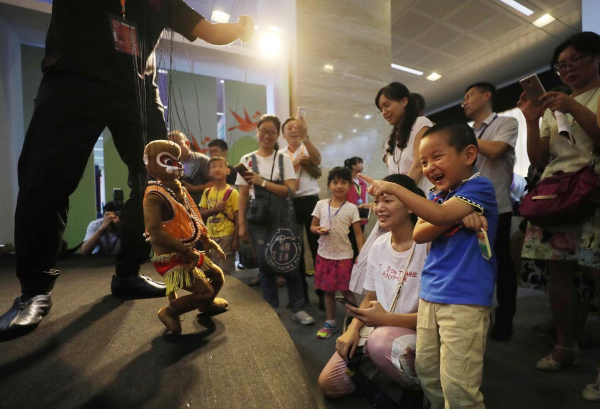
Strategy for training coming generations of Fujian puppetry practitioners
Introduction
The Strategy for Training Coming Generations of Fujian Puppetry Practitioners is a comprehensive initiative designed to ensure the continuity and evolution of the rich tradition of puppetry in Fujian province. Recognized as a Good Safeguarding Practice in 2012 by UNESCO, this strategy underscores the commitment of communities, practitioners and educational institutions in safeguarding this intangible cultural heritage for future generations.
The art of Fujian puppetry, characterized by intricate string and hand puppet techniques, has faced challenges due to the changing socioeconomic landscape and the extensive training required for mastery. In response, the strategy aims to revitalize this tradition through structured educational frameworks, professional training, and regional and international collaborations, thereby creating a sustainable environment for the art form to thrive.
History of Fujian Puppetry
Fujian puppetry, a quintessential element of Chinese performing arts, has its roots deeply embedded in the cultural tapestry of southeastern China. Over centuries, it has developed unique performance techniques and crafting methods, accompanied by a diverse repertoire of plays and music. Traditionally, puppetry served as a medium of entertainment and storytelling, reflecting the social, cultural, and historical narratives of the region. The art form is distinguished by its string and hand puppetry styles, requiring sophisticated control and artistry from its practitioners.
Throughout the years, Fujian puppetry has not only entertained but also educated, passing down stories and values from one generation to the next. However, since the 1980s, the number of young practitioners entering the field has waned, prompting concerted efforts to revitalize and preserve this cultural heritage for posterity.
Strategy for Training Future Generations
Training future practitioners of Fujian puppetry presents several challenges. The intricate nature of puppetry demands a long period of dedicated training to develop the agility and precision required for performance. Additionally, socioeconomic changes have shifted priorities and lifestyles, reducing the appeal of traditional arts as viable career paths.
The Strategy for Training Coming Generations of Fujian Puppetry Practitioners is a multi-faceted approach aimed at revitalizing and sustaining this cultural heritage. Central to the strategy is the development of educational programs and workshops designed to provide comprehensive training and exposure to aspiring puppeteers.
Educational Programs and Workshops
Educational programs and workshops form the backbone of the strategy, offering structured learning environments for students to explore and develop their puppetry skills. These programs are tailored to different age groups and skill levels, ensuring accessibility and inclusivity. Workshops often involve hands-on training with seasoned practitioners, allowing participants to gain practical experience and insights into the intricacies of the art form. Such educational initiatives are crucial in fostering interest and engagement among young learners, creating a foundation for future growth and sustainability in the field of puppetry.
Mentorship and Apprenticeship Models
Mentorship and apprenticeship models play a pivotal role in the training strategy, facilitating direct knowledge transfer from experienced practitioners to novices. These models emphasize the importance of personal interaction and guidance, enabling apprentices to learn through observation and practice under the tutelage of skilled mentors. The apprenticeship model not only enhances technical proficiency but also instills a deep appreciation for the cultural and historical significance of puppetry. By fostering close mentor-apprentice relationships, the strategy ensures that the nuanced techniques and traditions of Fujian puppetry are preserved and passed down through generations.
Integration of Modern Technology
Incorporating modern technology into the training framework is another key component of the strategy. Technology offers innovative ways to engage with puppetry, from digital resources and online platforms for learning to the use of multimedia in performances. Virtual reality and digital simulations can provide immersive experiences for trainees, enhancing their understanding of complex puppetry techniques. Additionally, technology facilitates broader outreach, connecting practitioners and enthusiasts from around the world, thus expanding the cultural exchange and appreciation of Fujian puppetry. By embracing technological advancements, the strategy aims to modernize training methods while maintaining the traditional essence of the art form.
Case Studies and Success Stories
The implementation of the training strategy has yielded several notable case studies and success stories, demonstrating its effectiveness and impact. Over two hundred potential puppetry practitioners have undergone professional training, acquiring the skills and knowledge necessary to perpetuate the tradition. The establishment of twenty public puppetry groups has further bolstered community engagement and visibility of the art form. These groups serve as platforms for showcasing talent, fostering collaboration, and promoting cultural dialogue. Success stories of individual practitioners who have excelled in their craft and contributed to the revitalization of puppetry underscore the strategy's role in nurturing future generations of artists.
Government and Community Support
Government and community support are integral to the success of the training strategy. The collaboration between local authorities, cultural institutions, and community organizations has facilitated the development of infrastructure and resources necessary for effective training and performance. Financial assistance and policy measures have been implemented to support representative bearers and educational initiatives. Community involvement, characterized by active participation and enthusiasm, has reinforced the cultural value of puppetry and ensured its relevance in contemporary society. By fostering a supportive environment, the strategy encourages collective responsibility and ownership of the cultural heritage, enhancing its prospects for future sustainability.








